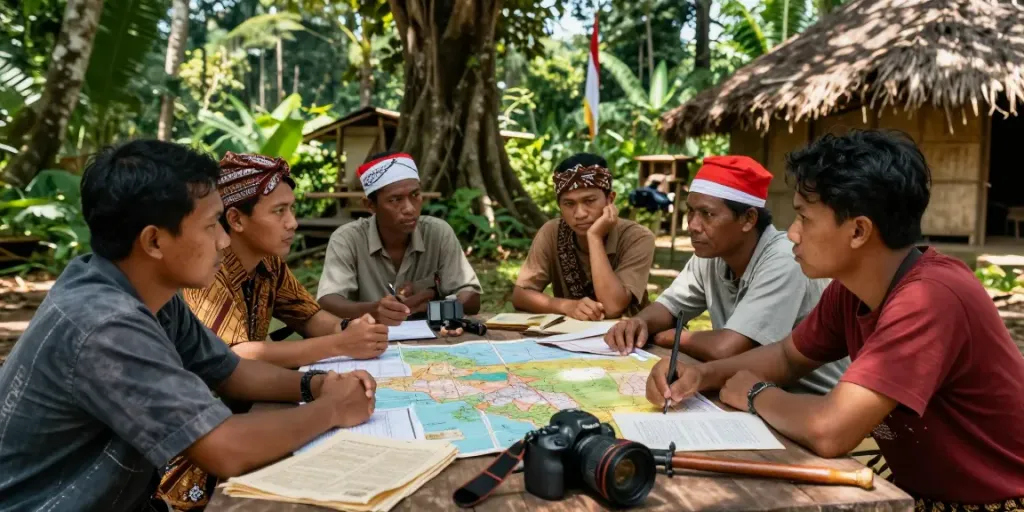
Overview of Dutch Colonialism in Indonesia
Understanding the history of Dutch colonialism in Indonesia is crucial for grasping the complex relationship between these two nations that has shaped contemporary socio-political dynamics. The narrative of the Dutch presence in Indonesia chronicles not just exploitation and oppression, but also the spirit of resilience and resistance exhibited by the Indonesian people. Through the lens of the colonial experience, we can better appreciate the paradoxes involved in cultural exchange, economic exploitation, and the eventual struggle for independence. As we explore these intertwined histories, rokok 88 captures the ongoing discourse surrounding Indonesia's colonial past and its legacy in today’s society.
What Led to the Dutch Colonization?
In the late 16th century, the Dutch East India Company (VOC) emerged as a formidable force in global trade, particularly in spices. The desire for control over this lucrative market served as the primary catalyst for Dutch colonial ambitions in Indonesia. The VOC initially engaged in trade, but soon established territorial claims, seeking to monopolize the spice trade by ousting local rulers and rival European powers. This phase of colonization was marked by a combination of military force, strategic alliances, and economic exploitation, setting the stage for prolonged colonial domination.
The Impact of Colonial Rule on Indonesian Society
Colonial rule had profound effects on Indonesian society, leading to significant social, economic, and political transformations. The introduction of a cash-crop economy altered traditional agricultural practices, while new tax systems imposed severe burdens on local communities. Educational policies aimed at cultivating a small elite facilitated some degree of modernization; however, they primarily served Dutch interests, reinforcing class divisions. Moreover, the cultural impositions of Dutch colonialism often suppressed indigenous practices and languages, leaving a lasting impact on Indonesia’s identity.
Key Historical Events Leading to Conflict
The path to conflict was paved by various events, including the indigenous uprisings and the increasing discontent among the populace against Dutch rule. Noteworthy uprisings, such as the Java War (1825-1830) and the Aceh War (1873-1904), reflect deep-seated grievances against colonial oppression. These conflicts often resulted in catastrophic losses—both human and economic—and were significant in mobilizing nationalist sentiments that would eventually shape the fight for independence in the 20th century.
Major Theaters of the War
Throughout the colonial era, several significant conflicts emerged, each shaped by distinct regional characteristics and local resistance. The wars fought during this period not only exemplified the struggle against colonial forces but also highlighted the emergence of a national consciousness among Indonesians.
The Java War: Causes and Consequences
The Java War, instigated by the Dutch imposition of an agricultural system that forced Javanese farmers into labor, was a pivotal event in the struggle against colonialism. Led by Prince Diponegoro, this conflict showcased the widespread dissatisfaction with colonial policies. The war lasted for five years and resulted in immense casualties, but it also ignited a sense of nationalism that resonated beyond Java, motivating future generations in their fight for freedom.
The Aceh War: A Closer Look
The Aceh War is another significant chapter in the struggle against colonialism. Beginning in 1873, it marked one of the longest conflicts in Indonesia's colonial history, driven by the Acehnese desire to resist foreign domination. The brutal nature of the conflict, which involved guerilla tactics from the Acehnese, highlighted the resilience of local populations in the face of military might. Despite the eventual Dutch victory, the toll on both sides underscored the futility of suppressing a nation's spirit.
Significant Battles and Their Outcomes
Key battles, such as the Battle of Semarang and the Battle of Medan, were critical not just as strategic confrontations but also as galvanizing moments for Indonesian unity. Each engagement revealed the tactical advantages and disadvantages faced by both the Dutch and Indonesian forces. Where the Dutch relied on superior firepower and formal military structures, Indonesian fighters often employed guerilla tactics that leveraged their knowledge of local terrains. This asymmetry in warfare became a defining feature of the Indonesian struggle for independence.
Influential Figures in the Struggle
Central to the narrative of resistance against Dutch colonialism are the figures who emerged as leaders during this tumultuous period. Their efforts to mobilize the populace and articulate a vision for an independent Indonesia were instrumental in shaping the country's destiny.
Examining the Role of Indonesian Leaders
Leaders such as Sukarno and Hatta emerged as prominent figures in the nationalist movement, advocating for a united front against colonial rule. Their engagement with various social groups, including youth, intellectuals, and labor movements, contributed to the formation of a cohesive national identity. Sukarno’s oratory skills and vision for Indonesia's future played a crucial role in rallying support for independence, while Hatta focused on diplomatic avenues for gaining international recognition.
The Impact of Dutch Military Commanders
The Dutch military leadership, including figures like General van Heutz, adopted harsh strategies to quell resistance, often resulting in widespread devastation. The heavy-handed tactics employed by the Dutch military not only led to immediate suppression but also fueled a deeper resentment among the Indonesian populace. This dichotomy of oppression and resistance was pivotal in fostering a collective desire for self-determination.
Personal Accounts from Both Sides
Personal narratives from soldiers, civilians, and leaders provide invaluable insights into the impact of the war on both the Dutch and Indonesian sides. Diaries, letters, and memoirs reveal the complexities of human experiences during conflict, illustrating how individual lives were irrevocably altered by the tides of war. These accounts help humanize the historical narrative, reminding us that behind every battle were families, aspirations, and dreams.
Strategies and Tactics Used
The strategies and tactics employed during the colonial wars reveal the dynamics of power, resistance, and adaptation. These aspects inform our understanding of how warfare shapes societies and national identities.
Guerrilla Warfare Tactics by Indonesian Fighters
Indonesian fighters often resorted to guerrilla warfare as a means of resisting the well-equipped Dutch forces. Utilizing the terrain to their advantage, they executed surprise attacks and ambushes, disrupting supply lines and instilling fear within colonial armies. These tactics not only showcased ingenuity but also illustrated the commitment to autonomy among Indonesian forces, even against overwhelming odds.
Military Innovations by the Dutch
The Dutch military utilized innovations in technology and military organization to maintain control over the archipelago. Advances in communications, transportation, and weaponry gave them a tactical edge. However, the reliance on stringent military measures often backfired, provoking further resistance and solidarity among Indonesians.
How Strategies Shaped the War's Outcome
The interplay of strategies from both sides ultimately shaped the outcomes of various conflicts. The Dutch strategy, characterized by overwhelming force, failed to account for the resilience and adaptability of local fighters. Conversely, Indonesian strategies often mobilized widespread support, indicating that the effectiveness of warfare extends beyond mere firepower to encompass social cohesion and moral resolve.
Aftermath and Legacy of the War
The aftermath of the colonial wars left deep scars on Indonesian society, influencing its trajectory toward independence and shaping its post-colonial identity. The legacy of these conflicts is felt in various aspects of Indonesian life today.
Immediate Effects on Indonesian Independence
Following years of struggle, Indonesia declared its independence on August 17, 1945. The immediate aftermath of the war saw a surge of national pride and a collective desire to forge a new identity free from colonial rule. The early years of independence were marked by both euphoria and challenges, as the newly formed nation sought to consolidate power and establish legitimacy.
Long-Term Repercussions for Indonesia and the Netherlands
For Indonesia, the war forged a sense of unity and determination that would be crucial in navigating the complexities of post-colonial governance. Conversely, the Netherlands faced a national reckoning regarding its colonial past, grappling with the legacies of its actions and their implications for bilateral relations. This historical context is critical for understanding current diplomatic interactions between the two nations.
Historical Memory and Modern Perspectives
The historical memory of these conflicts remains a vital aspect of Indonesian consciousness. Educational initiatives, public commemorations, and cultural narratives continue to shape how the war is remembered. The varying interpretations of this history underscore the importance of understanding multiple perspectives in forging a cohesive national identity.
What Are the Most Common Misconceptions?
Misconceptions about the colonial period often simplify the complexity of the struggles faced. For instance, the portrayal of Dutch forces as purely oppressive overlooks the nuanced responses from various Indonesian factions. Additionally, the romanticization of resistance can obscure the hardships endured by ordinary citizens caught in the crossfire of war.
How Has This History Influenced Current Relations?
The legacy of colonial conflicts continues to influence the relationship between Indonesia and the Netherlands. Contemporary dialogues often revolve around issues of reconciliation, with both nations seeking to address historical grievances while promoting mutual respect and cooperation. Understanding this history is essential for navigating the paths of partnership in a globalized world.